IPC Standard for PCB Manufacturing
October 3, 2025
Views: 1043
To ensure the quality and consistency of PCBs used, the electronics industry follows internationally recognized IPC standards. These standards define the requirements for PCB design, materials, manufacturing, assembly, and testing.
What is IPC?
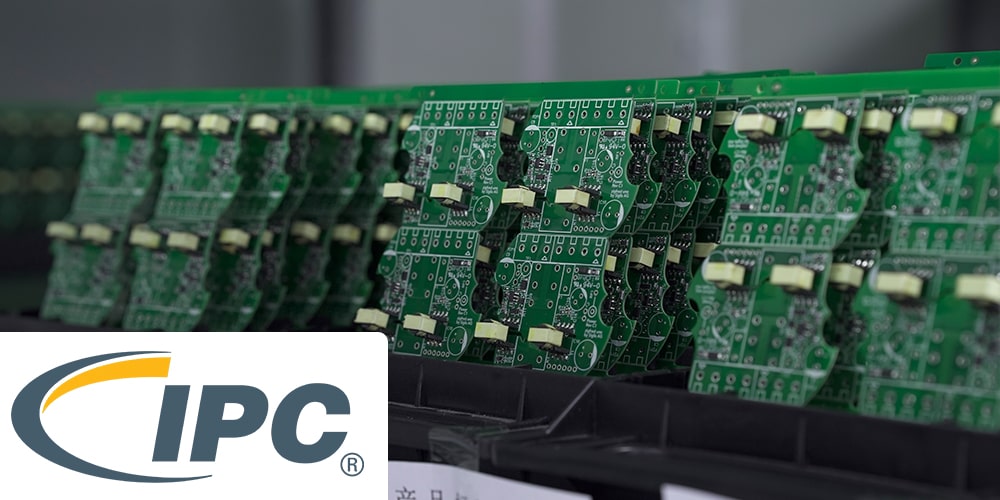
The IPC (Printed Circuit Board Association) is a global industry association responsible for setting standards for the electronics manufacturing industry. It provides detailed specifications and guidelines to control every stage of PCB production—from raw materials to final assembly. IPC standards ensure that PCBs meet quality requirements.
Common IPC Standards in PCB Manufacturing
1. IPC-2221: General Standard for PCB Design
IPC-2221 specifies general requirements for PCB design. This includes material selection, conductor spacing, hole diameter, and mechanical tolerances, and forms the basis of all specific design IPC standards.
2. IPC-6012: Qualification and Performance Specifications for Rigid PCBs
IPC-6012 defines the quality and performance standards for rigid PCBs, specifying the testing, inspection methods, and acceptance levels required to assess the reliability and manufacturing quality of circuit boards.
Product Categories:
Category 1 – General-purpose electronic products (low-cost consumer electronics);
Category 2 – Special-purpose electronic products (cost and reliability balance);
Category 3 – High-reliability electronic products (medical, aerospace, or defense systems).
3. IPC-A-600: Acceptability of Printed Circuit Boards
IPC-A-600 provides visual standards for assessing the acceptability of bare PCBs, clarifying acceptable and unacceptable states. Inspectors rely heavily on this document for visual inspection and quality control.
4. IPC-6013: Flexible and Rigid-Flex Printed Circuit Boards
IPC-6013 defines specifications for flexible and rigid-flex printed circuit boards, taking into account materials that can be bent or folded while maintaining good electrical integrity.
5. IPC-2223: Flexible Printed Circuit Board Design Standards
IPC-2223 is similar to IPC-2221 but specifically addresses flexible circuits, such as minimum bending radius, conductor routing, and adhesive strength. Following the IPC-A-610 standard reduces the risk of flexible component cracking and signal loss.
6. IPC-A-610: Acceptability of Electronic Components
After PCB manufacturing, IPC-A-610 provides visual and process standards for the assembled circuit board, ensuring correct component placement, high-quality solder joints, and the cleanliness of the final product.
Importance of IPC Standards
Following IPC standards ensures consistency and reliability of manufactured products, reduces design errors and manufacturing defects, minimizes rework and waste, and allows different suppliers to design and assemble PCBs without compatibility issues. Many industries also require PCBs to comply with IPC standards to meet regulatory requirements.
Conclusion
IPC standards define how circuit boards are designed, manufactured, inspected, and assembled to achieve optimal performance and long-term reliability. Applying IPC standards (such as IPC-2221, IPC-6012, and IPC-A-600) standardizes product quality, improves customer satisfaction, and maintains competitiveness in the global electronics industry.

 Email: all@poe-pcba.com
 Whatsapp: 85292069596
 Tel: 0755-25312250/ +8613798543496
 Factory Address: Floor 3, Jinyuan Industrial Park, No. 56, Tangtou Avenue, Shiyan Town, Baoan District, Shenzhen China





