PCB Box Build Assembly, also called system integration, is the process of integrating a Printed Circuit Board Assembly (PCBA) into its final enclosure. This includes all necessary mechanical and electrical components required for the device to function as intended. It is not just about putting a board in a box. It is about building the complete system.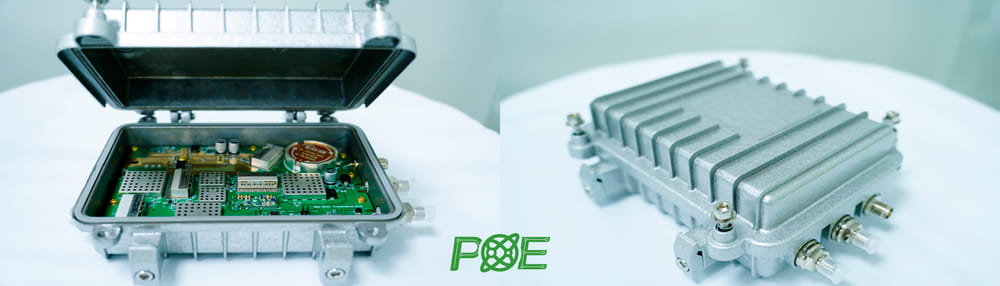
PCBA vs. Box Build
| Dimension |
PCBA (PCB Assembly) |
Box Build Assembly |
| Core Task |
Soldering components onto a bare board. |
Integrating PCBA into an enclosure with all parts. |
| Scope |
The circuit board itself. |
Complete product: housing, cables, power, display, etc. |
| Complexity |
Precision placement and soldering. |
System integration, mechanical fit, cabling, firmware. |
| Required Skills |
SMT, soldering, electrical testing. |
Mechanical, electrical, software, and supply chain management. |
| Deliverable |
A functional PCB board. |
A complete, functional electronic device or system. |
| Testing |
In-Circuit Test (ICT), bare board test. |
System-level Functional Test (FCT) on the finished unit. |
| Final Output |
The "Heart." |
The "Complete Body." |
What Does a PCB Box Build Assembly Service Include?
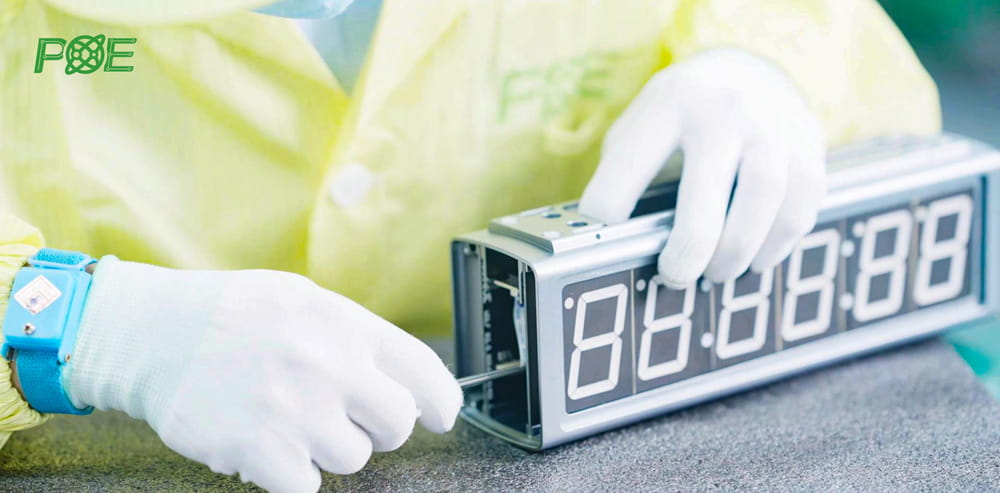
Mechanical Assembly: Building the chassis or enclosure.
PCBA Integration: Securing the PCBA within the housing.
Cable & Wire Harness Assembly: Fabricating and routing internal wiring.
Sub-Assembly Integration: Installing displays, power supplies, fans, sensors, and batteries.
Firmware/Software Loading: Programming MCUs and loading final firmware versions.
System-Level Testing: Performing Functional Circuit Tests (FCT) on the complete unit.
Labeling & Serialization: Applying labels, serial numbers, and compliance marks.
Packaging: Final packing for shipment to your customers.
The Strategic Value of Box Build Assembly
For an OEM, outsourcing Box Build to a single partner is a strategic decision. It simplifies operations and reduces risk.
1. Single Point of Accountability
When one partner handles both PCBA and Box Build, there is no finger-pointing. If the final product fails, there is one place to look. This eliminates the blame-shifting common when managing separate vendors for boards, cables, and enclosures.
2. Streamlined Supply Chain
Managing multiple vendors is a drain on engineering and procurement resources. Consolidating with one Box Build partner replaces a complex web of suppliers with a single relationship. This frees up your team to focus on design and growth, not coordination.
3. Faster Time-to-Market
Handoffs between suppliers create delays. Integrating PCBA and Box Build under one roof removes these bottlenecks. Your partner can optimize the workflow from component sourcing to final packaging, accelerating your path to revenue.
4. Guaranteed Product Quality
A professional Box Build partner performs system-level testing. This verifies that the PCBA, power supply, display, and firmware work together as a system. Issues like intermittent connections or thermal failures are caught before the product reaches your customer.
Why Box Build Is More Than "Putting It in a Box"?
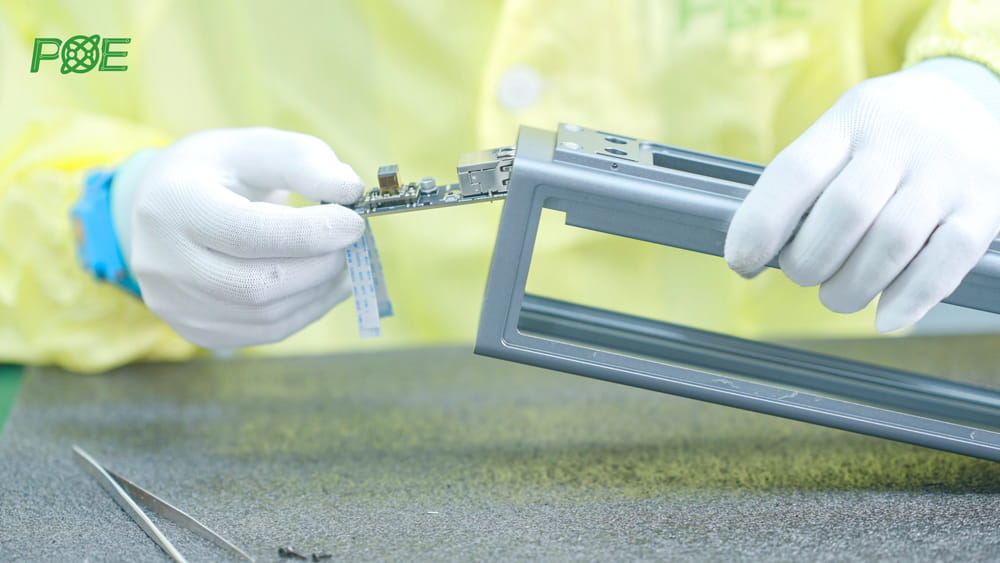
Many OEMs underestimate the complexity of system integration. Unlike PCBA, Box Build introduces variables beyond pure electronics.
Mechanical Tolerances: Does the PCBA fit cleanly? Do connectors align with the enclosure cutouts?
Multi-Source Components: Enclosures, cables, and displays often come from different suppliers with varying lead times and quality levels.
Firmware Management: Ensuring the correct firmware version is loaded onto the correct hardware revision.
Assembly Sequencing: Determining the optimal build order to prevent errors and improve efficiency.
Cable Management: Poor routing can cause Electromagnetic Interference (EMI), block cooling, or disconnect during vibration testing.
Industries That Rely on Box Build Assembly
Medical Devices: Diagnostic equipment and patient monitors requiring strict traceability.
Industrial & Energy: Ruggedized systems for automation and power management.
Automotive Electronics: ADAS controllers and infotainment systems.
IoT & Consumer Electronics: Connected devices and smart home hardware.
Telecommunications: Network switches and base station equipment.
Why POE for Your PCB Box Build Assembly?
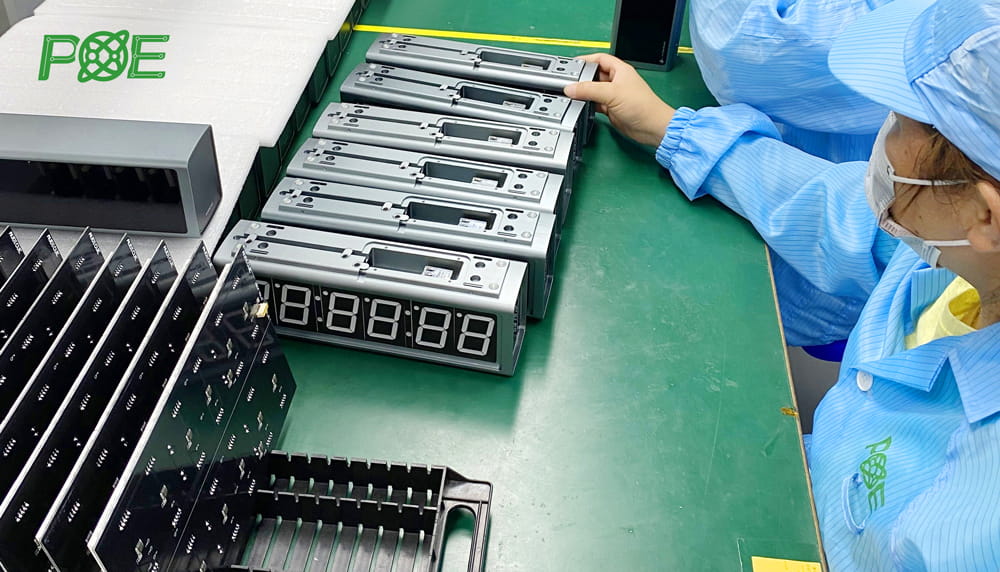
At POE, we specialize in turning complex PCB assemblies into reliable, finished products. We provide true end-to-end Box Build services built on engineering depth and operational discipline.
Our Core Strengths:
Single Point of Accountability: From PCB fabrication and component sourcing to final assembly and testing, you interface with one partner. This simplifies your supply chain and clarifies responsibility.
Engineering-Driven Approach: Our team provides rigorous DFM analysis on your enclosure and cable designs, ensuring manufacturability and long-term reliability.
Certified Quality Systems: We operate under ISO 9001:2015, ISO 13485:2016, and ISO 14001:2015. Our work adheres to IPC-A-610 Class 3 and IPC J-STD-001 standards. We are fully compliant with RoHS, REACH, and hold UL certifications.
Seamless Scalability: We excel at transitioning projects from low-volume prototypes to high-volume production. Our processes are designed to scale without compromising quality or lead times.
Comprehensive Integration: We manage the full scope—mechanical assembly, cable harnesses, sub-assemblies, firmware loading, and system-level functional testing.
With POE, you are not just buying assembly labor. You are gaining a partner equipped to manage the complexities of modern electronics manufacturing.
FAQ
Q: What is PCB box build assembly?
A: It is the process of integrating a PCB assembly (PCBA) into its final enclosure with all necessary components—such as cables, power supplies, and displays—to create a complete, functional electronic product.
Q: What is the difference between PCBA and box build assembly?
A: PCBA focuses on assembling components onto the circuit board. Box build assembly integrates that board into a complete system, including the housing and all supporting hardware, making it ready for the end-user.
Q: What does a box build assembly service include?
A: Services typically include mechanical assembly, PCBA mounting, cable and wire harness integration, sub-assembly installation, firmware loading, system-level functional testing (FCT), labeling, and final packaging.
Q: Why is box build assembly more complex than PCB assembly?
A: Box build involves mechanical tolerances, multi-source component management, firmware version control, and complex assembly logistics. It requires a blend of mechanical, electrical, and software engineering expertise.
Q: Why should I choose a single provider for both PCBA and box build?
A: A single provider offers a single point of accountability, reducing supply chain complexity and eliminating delays caused by vendor handoffs. It ensures consistent quality from the board level to the final product.
Q: What industries use box build assembly?
A: Any industry producing finished electronic devices relies on box build, including medical, industrial, automotive, aerospace, telecommunications, and consumer electronics.
Q: What is system-level testing in box build?
A: System-level testing (FCT) validates the performance of the fully assembled device. It ensures the PCBA, power supply, display, and software interact correctly, catching integration issues missed during board-level tests.
Q: How do I choose a box build assembly partner?
A: Evaluate their end-to-end capabilities, DFM support, supply chain breadth, quality certifications (like ISO and IPC), scalability from prototype to volume, and their willingness to provide system-level warranties.
Q: What is the role of DFM in box build assembly?
A: DFM reviews the enclosure and assembly design early in the process. It optimizes the design for efficient manufacturing, reducing part counts, simplifying cable routing, and preventing costly redesigns later.
Q: What is the difference between turnkey and consignment for box build?
A: In a turnkey model, the manufacturer sources all components. In consignment, you supply them. Turnkey simplifies your logistics and leverages the manufacturer's supply chain expertise.
Ready to Turn Your Board into a Complete Product?
Box Build is the final step in your product development cycle. It demands precision, coordination, and accountability.
Don't let system integration become a bottleneck.
Submit your design files and BOM to POE. We will provide a thorough technical evaluation and a clear assessment of your project's feasibility within 24 hours.
Schedule a technical review with our engineering team today.
Let's discuss how to move your product from prototype to a scalable, market-ready reality.

 Email: all@poe-pcba.com
 Whatsapp: 85292069596
 Tel: 0755-25312250/ +8613798543496
 Factory Address: Floor 3, Jinyuan Industrial Park, No. 56, Tangtou Avenue, Shiyan Town, Baoan District, Shenzhen China





