Consignment PCB Assembly Services
Consignment PCB Assembly Services
You have a stash of components sitting in inventory. Or maybe you have a direct line to a supplier for that mission-critical IC. Now comes the question: Do you hand everything over to a Turnkey factory, or do you send your parts to a Consignment assembler?
Get this decision wrong, and you're not just looking at a higher unit cost. You're looking at production halts, finger-pointing over quality issues, and supply chain headaches that can stall your project for weeks. This isn't about how SMT machines work; it's about who owns the risk.
Who Buys the Parts?
This choice dictates three things:
Who pays: The direct cost of parts and the hidden cost of management.
Who is liable: If a component fails, who owns the failure?
Who manages the clock: If a shipment is delayed, whose schedule slips?
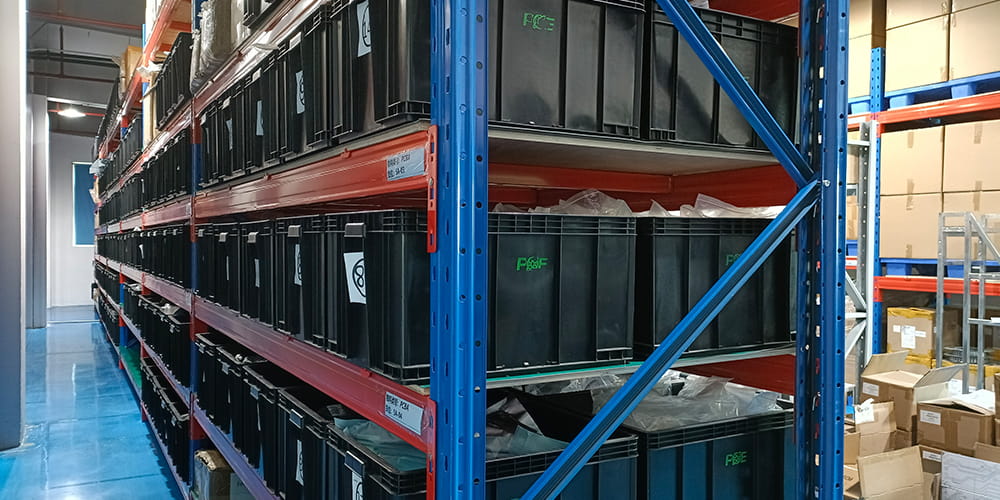
Turnkey (full service) shifts these burdens to the factory. Consignment (customer-supplied) keeps them on your plate—but gives you absolute control. Let's break down what that actually means for your business.
What Is Consignment PCB Assembly?
Consignment PCB Assembly, often called Customer-Supplied or Free-Issue assembly, is straightforward: You buy the parts. We assemble them.
In this model, the lines of responsibility are clearly drawn:
Your job: Source every component and the bare PCBs. Ensure quality. Pack them. Ship them to us. Provide a clean BOM.
Our job: Receive, inspect, store (including MSD handling), assemble (SMT/THT), test (AOI/X-ray/ICT), and ship finished boards back to you.
It's a division of labor based on expertise. You leverage your purchasing power and channel relationships; we leverage our IPC-certified manufacturing floor.
Full Consignment vs. Partial Consignment
Not all consignment projects look the same. At POE, we typically see two scenarios:
Full Consignment
You provide 100% of the components and bare boards. We provide the solder paste, fixtures, and labor.
Best for: Companies with existing inventory (eager to burn it off), strict quality mandates (like Aerospace or Defense), or those with established procurement teams.
Partial Consignment
You provide the "critical" parts—the expensive microcontrollers, the long-lead-time ICs, or the custom mechanicals. We source the "commodity" parts—the resistors, capacitors, and standard connectors.
Best for: Teams that want control over their core IP and supply chain but don't want to waste time chasing down 0402 resistors. It's the hybrid approach.
The Consignment Process: Step by Step
Step 1 – Component Procurement & Kitting
You purchase the components. Pro tip: Always order 5-10% extra (attritions happen). Perform your incoming inspection. Kit the parts according to our guidelines.
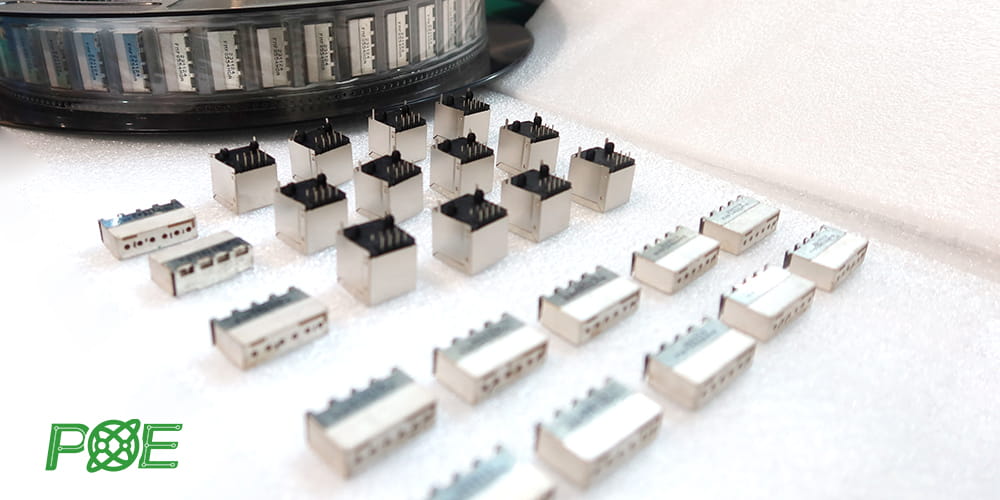
Step 2 – Receiving & Initial Inspection
We receive your shipment. Our team performs a physical count and a visual check against your packing list. We look for signs of ESD damage or moisture exposure before signing off.
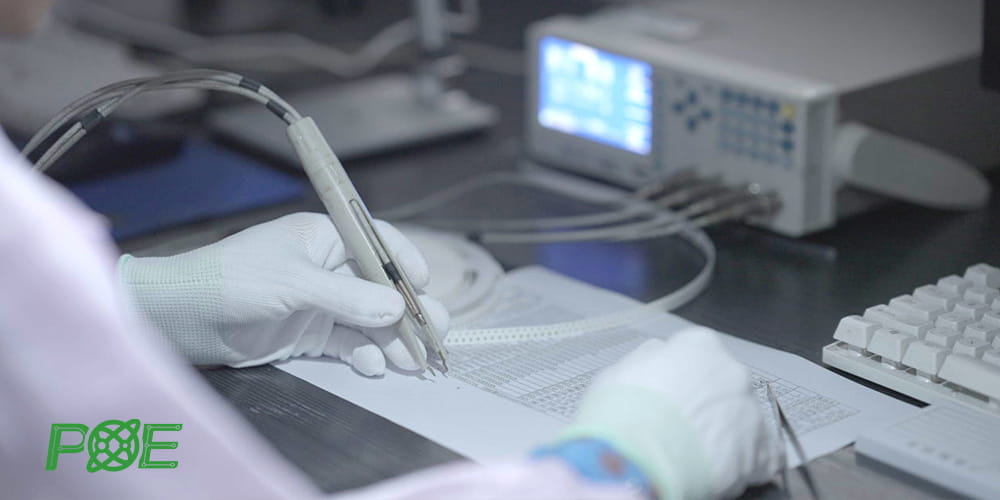
Step 3 – Inventory Management
Components are logged into our system. Moisture Sensitive Devices (MSDs) are placed in dry cabinets or baked according to J-STD-033 standards. This is where having ISO 9001 and ISO 13485 systems matters—we track every reel.
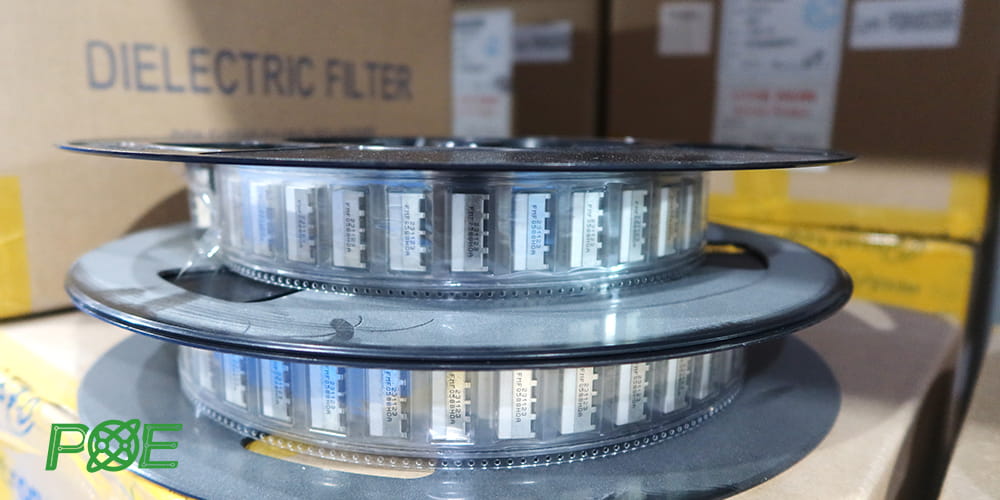
Step 4 – PCB Assembly
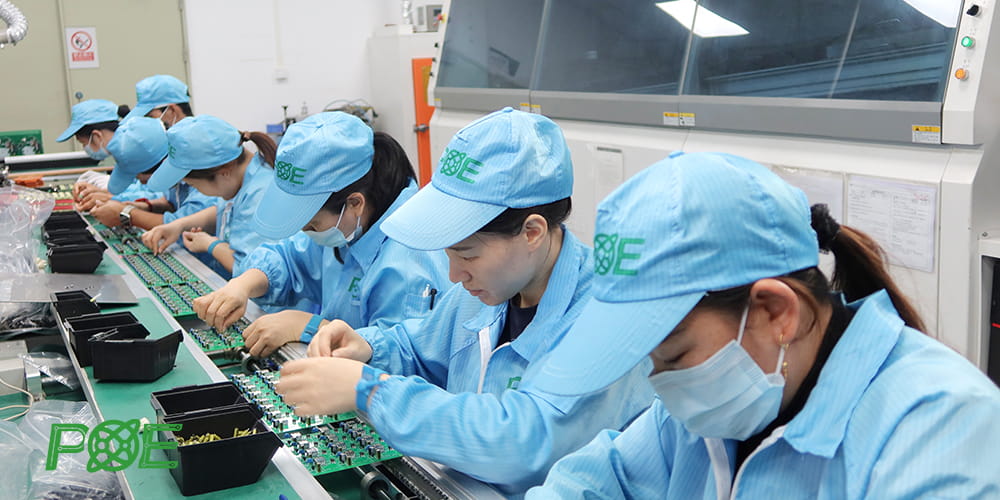
SMT placement, reflow soldering, and THT insertion. Our technicians follow IPC-A-610 Class 3 standards for high-reliability builds.
Step 5 – Inspection & Testing
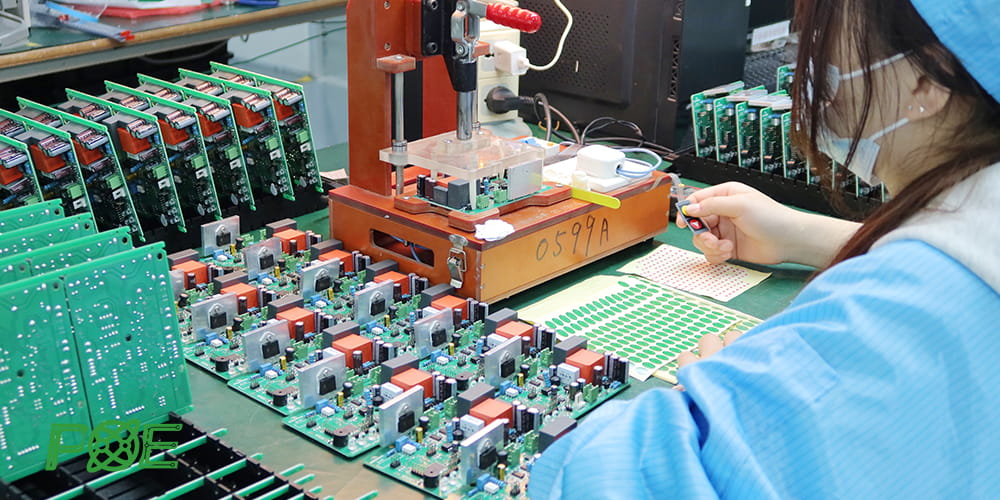
AOI (Automated Optical Inspection) catches placement errors. X-ray verifies BGA voiding. We run functional tests based on your firmware/test jigs.
Step 6 – Final Delivery
Passed boards are vacuum-packed with desiccant and shipped to your door.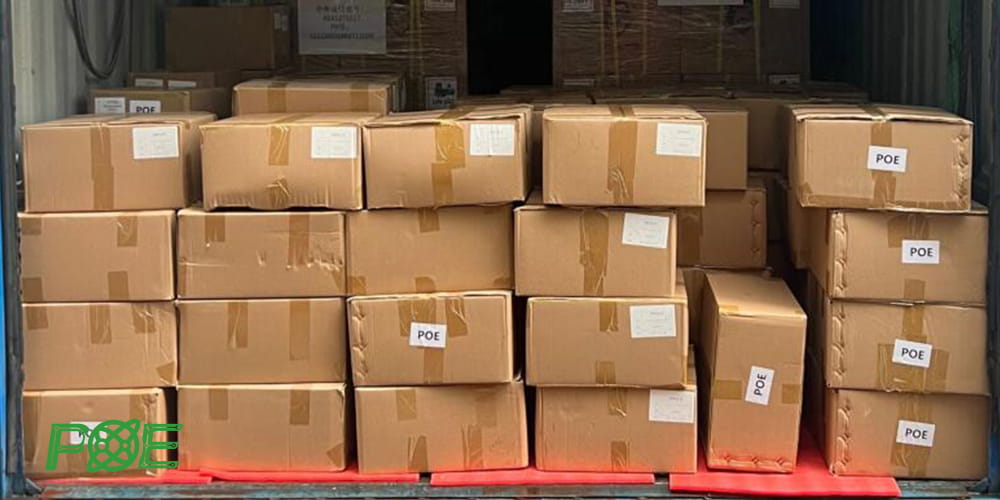
Consignment vs. Turnkey
| Dimension |
Consignment (You Buy) |
Turnkey (Factory Buys) |
| Component Cost |
Direct from supplier (No markup) |
Includes factory margin/service fee |
| Supply Chain Control |
Total. You pick the vendor, lot, and price. |
Limited. Relies on factory's approved vendors. |
| Internal Labor |
High. Requires purchasing, receiving, and QC staff. |
Low. One PO, one point of contact. |
| Schedule Risk |
Yours. Late parts = idle SMT lines. |
Factory's. They manage the timeline. |
| Quality Liability |
Split. Parts vs. Workmanship. |
Unified. Factory owns the final product. |
| Ideal Scenario |
Excess inventory, unique channels, Class 3 reqs. |
Speed-to-market, standard parts, no staff. |
Consignment looks cheaper on paper because you skip the factory's markup. But if your internal team spends 20 hours managing logistics, or if a missing reel stops our production line, those "saved" dollars evaporate quickly.
When Should You Choose Consignment PCB Assembly?
Choose Consignment if:
You have dead stock. You need to clear out inventory from a previous EOL project.
You have the "hookup". You have an exclusive source for a specific IC or a better price than distributors.
Quality is non-negotiable. In medical devices (ISO 13485) or ruggedized industrial applications, you must verify the component pedigree yourself.
Designs are fluid. During prototyping or NPI, you might swap components weekly. Managing this yourself is faster than changing a factory PO.
Choose Turnkey if:
Speed is the priority. You need parts on a plane tomorrow.
ou lack infrastructure. No buyer, no receiving clerk, no space for inventory.
Standardization rules. Your BOM is full of common resistors and caps where traceability isn't a primary concern.
Risk transfer is desired. You want one throat to choke—if the board doesn't work, the factory fixes it, including replacing bad parts from their stock.
The Hidden Costs and Risks of Consignment
Honesty is the foundation of a good partnership. Here are the pitfalls we help our clients navigate every day:
1. The "Line Down" Penalty.
If your parts arrive late, our $500/hour SMT line sits idle. Worse, we may have to bump your job for another client to keep our own commitments.
POE's Approach:We provide a clear "Material Needed By" date during scheduling. We offer Inventory Management Services—you can pre-ship your parts to us, and we'll hold them until you're ready to run.
2. The Gray Area of Damage.
A component arrives dead. Was it damaged in shipping? Was it DOA from the supplier? Or did our machine break it?
POE's Approach:Our ISO 9001-controlled receiving process includes photo-documentation of incoming reels and trays. We use ESD-safe handling protocols. If a part fails our incoming inspection, we alert you immediately before assembly begins.
3. Moisture Sensitivity (MSD) Mishandling.
Bake a BGA too long, or not long enough, and you get "popcorning" during reflow.
POE's Approach:We adhere strictly to IPC J-STD-001 and J-STD-033. Our facility features automated dry cabinets. We track floor life obsessively. This is standard for us, especially for our IPC-A-610 Class 3 builds.
4. Underestimating Internal Labor.
The "hidden tax" of Consignment is your team's time. Kitting, labeling, boxing, and coordinating freight adds up.
POE's Approach:We provide detailed Kitting Instructions. By streamlining the handoff, we reduce the hours your staff spends on non-core activities.
How to Prepare for a Consignment PCB Assembly Project
To ensure a smooth run at POE, follow this preparation guide:
Clean BOM: Include MPNs, Manufacturer, Quantity, and Approved Alternatives.
Attrition Math: Add 2-5% extra for standard parts; 10% for fine-pitch QFNs/BGAs.
Proper Packaging: Use anti-static bags and sturdy boxes. Label everything clearly with the reference designator (R1, U2, etc.).
Communicate Lead Times: Tell us when the parts will land at our dock so we can reserve a slot on our SMT lines.
Define the Contract: Clarify the scrap rate allowance and the protocol for handling suspect components.
Ready to Choose the Right Model for Your Project?
Whether you choose Turnkey for convenience or Consignment for control, the goal is the same: high-quality boards, delivered on time, without surprises.
At POE, we support both models with the same rigor—backed by our ISO 13485 medical certification and IPC Class 3 workmanship standards. We aren't just assemblers; we are supply chain partners equipped to handle your most sensitive projects, whether they involve 10 pieces or 10,000.
Send us your BOM and Gerber files today. Within 24 hours, you'll receive:
A side-by-side quote comparing Turnkey vs. Consignment costs.
A free DFM (Design for Manufacturability) report highlighting potential issues before they hit the production floor.
A recommended strategy based on your inventory levels and delivery targets.
FAQ
What is consignment PCB assembly?
It is a manufacturing service where the customer purchases and supplies all necessary electronic components and bare PCBs to the assembly factory. The factory provides the labor, equipment, and expertise to assemble the boards.
What is the difference between consignment and turnkey PCB assembly?
In consignment, you buy the parts; the factory only assembles. In turnkey, the factory handles everything from procurement to assembly. Consignment offers more control over components; turnkey offers less risk and administrative overhead.
What is the difference between full consignment and partial consignment?
Full consignment means you provide 100% of the materials. Partial consignment means you provide only the critical or hard-to-source parts, while the factory sources the standard components (resistors, capacitors, etc.).
What are the advantages of consignment PCB assembly?
The main advantages are cost control (avoiding factory markups), quality assurance (you verify the components), and inventory reduction (using your existing stock).
What are the risks and disadvantages of consignment PCB assembly?
Risks include supply chain delays (your parts delay the line), quality disputes (determining if a failure is a bad part or bad soldering), and the internal labor required to manage logistics and inventory.
When should I choose consignment PCB assembly?
Choose it if you have existing inventory, special pricing agreements with suppliers, strict quality/compliance requirements (like medical or aerospace), or a mature procurement team.
When should I choose turnkey PCB assembly instead?
Choose it if you need speed, lack a procurement department, are using standard components, or want to transfer the risk of component shortages and quality failures to the manufacturer.
How does the consignment PCB assembly process work?
You procure and kit the parts -> Ship to the factory -> Factory receives and inspects -> Factory stores/manages inventory -> Factory assembles and tests -> Finished goods are shipped to you.
What files do I need to prepare for a consignment PCB assembly project?
You need Gerber files (for the PCB layers), a Bill of Materials (BOM), a Centroid/Pick-and-Place file, and any specific assembly drawings or test instructions.
Is consignment PCB assembly cheaper than turnkey?
It can be cheaper in terms of direct material costs because you avoid the factory's markup. However, once you factor in internal labor, shipping, and the risk of production delays, the Total Cost of Ownership (TCO) can sometimes be higher than turnkey.

 Email: all@poe-pcba.com
 Whatsapp: 85292069596
 Tel: 0755-25312250/ +8613798543496
 Factory Address: Floor 3, Jinyuan Industrial Park, No. 56, Tangtou Avenue, Shiyan Town, Baoan District, Shenzhen China





